Picture this: you’re scrolling before bed, and you stumble across a video of someone sinking into a roll-top bath with a glass of something sparkling, golden hour light pouring through the window, a caption that reads “the staycation I didn’t know I needed.” Within minutes, you’ve found yourself searching the hotel’s name. That, in a nutshell, is influencer marketing doing exactly what it’s meant to do.
If you’ve heard the term thrown around but aren’t quite sure what it means for your hotel or venue, you’re in good company. Let’s break it down properly.
So, What Is Influencer Marketing for Hotels?
At its core, influencer marketing is the practice of partnering with someone who has built an engaged, trusting audience online, and inviting them to experience (and share) your property. Rather than telling potential guests how wonderful your hotel is, someone they already follow, like and trust tells them instead.
It’s word-of-mouth marketing, just dressed up for the social media age. And in hospitality, where the decision to book is as much emotional as it is rational, that distinction matters enormously.

Why Influencer Marketing Works So Well for Hotels
Hotels sell feelings before they sell rooms. The candlelit dinner, the deep soak in a freestanding bath, the view from the window on a clear morning — these are the things that make someone click “book now.” Influencer marketing works because it puts those moments in front of potential guests through a voice they already trust.
Think about the difference between a polished hotel brochure and a content creator filming her actual morning in your suite. The steam on the bathroom mirror. The way the curtains catch the light. Her genuine reaction to the breakfast spread. One feels like an advert. The other feels like an invitation. That shift — from broadcast to recommendation — is what makes influencer content so effective at driving genuine interest and direct bookings.
It also complements your existing social media efforts in a way that user-generated content does too: both tap into the same truth that potential guests trust other guests, and people who feel like guests, far more than they trust a brand speaking about itself.
What This Actually Looks Like in Practice
Influencer marketing in hospitality tends to take a few familiar shapes:
The staycation takeover
A creator spends a night or a weekend at your hotel and documents the full experience across Instagram Stories, Reels or TikTok — check-in, room tour, dinner, the lot. This is one of the most common formats because it mirrors exactly what a potential guest wants to know before booking.
The afternoon tea or dining feature
Perfect for hotels with a strong food and drink offering. A creator visits for a meal, captures the ambience and the dishes, and shares an honest reaction with their audience. If you’re looking for social media content ideas for your hotel, this kind of third-party endorsement sits naturally alongside your own feed content.
The event or launch collaboration
Opening a new spa, unveiling a refurbished bar, launching a seasonal menu — influencers can help generate genuine excitement around a specific moment, creating a spike in visibility that owned channels alone rarely achieve.
The long-term ambassador relationship
Some hotels build ongoing partnerships with a handful of creators who return seasonally, becoming a familiar, trusted face associated with the brand over time. This tends to produce more consistent results than one-off collaborations and builds a genuine narrative around the property.
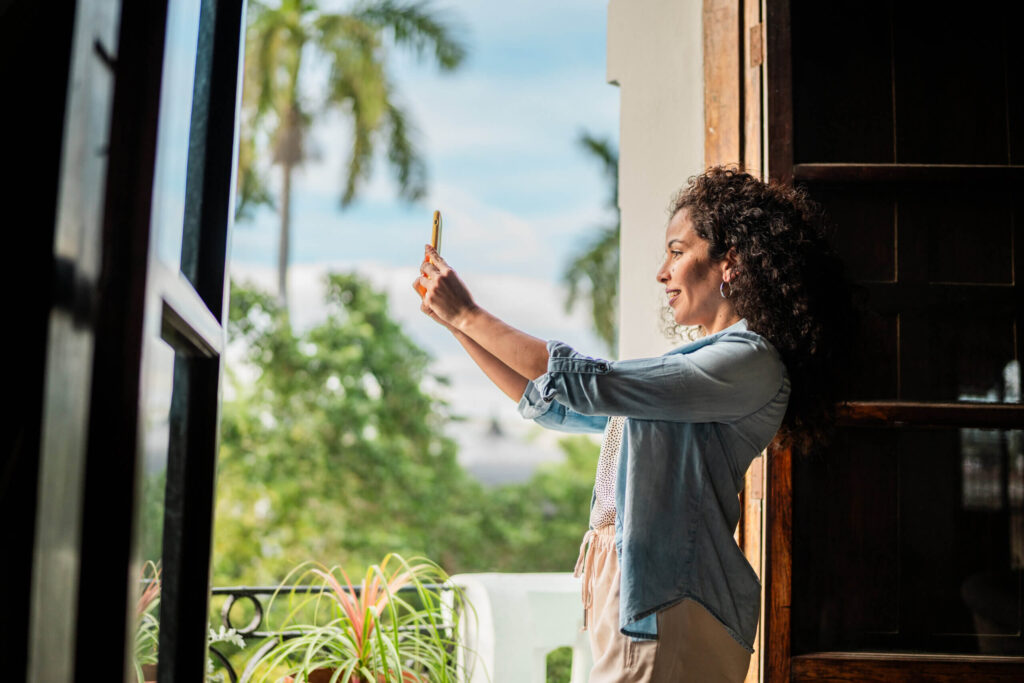
Micro-Influencers vs Macro-Influencers: What Hotels Need to Know
This distinction matters more than most hoteliers realise when they first start exploring influencer marketing. Micro-influencers — creators with smaller, highly engaged niche audiences — tend to feel more authentic and relatable, which works particularly well for boutique hotels, independent properties, and venues with a strong local or regional identity. Their audiences trust them because they feel accessible, not aspirational.
Macro-influencers bring scale and visibility, which suits bigger launches, rebrand moments, or properties looking to reach a new geography or demographic quickly. Neither is inherently better. The right choice depends on your property, your goals, and the type of guest you’re trying to reach. For a practical look at how to evaluate and approach potential partners, our guide on how to choose the right influencer for your business is a useful starting point.
Why Trust Is the Real Currency Here
Influencer marketing only works because of trust. An audience follows a creator because they believe what that creator says is genuine. The moment a partnership feels transactional, scripted or out of character for the creator’s usual content, that trust evaporates, and so does the value of the collaboration.
This is why the fit between the creator and your property matters more than the size of their following. The most effective hotel influencer partnerships are the ones where the creator’s audience would genuinely want to stay at your property — where the recommendation feels like a natural extension of their usual content, not a jarring advert placed between it.
Choosing the right creator is therefore less about reach and more about relevance. A travel creator with 15,000 engaged followers who speak directly to your ideal guest demographic will almost always outperform a lifestyle account with 200,000 followers whose audience has no particular interest in hotels.

Is Influencer Marketing Right for Your Hotel?
If you’re looking to increase brand awareness, attract a new type of guest, fill rooms during quieter seasons, or build momentum around a refurbishment or new offering, influencer marketing can be a genuinely effective tool — especially when it’s part of a broader hotel social media strategy rather than a standalone tactic.
It works best when you have a clear picture of who your ideal guest is, a property or experience that photographs well, and a willingness to give the creator enough freedom to present your hotel in their own voice. Control and authenticity rarely coexist in influencer content, and the latter is what makes it work.
Final Thought
Influencer marketing for hotels isn’t about handing your brand over to a stranger and hoping for the best. Done properly, it’s a genuine collaboration — one that lets potential guests discover your property through someone else’s eyes, in a way that feels honest, warm, and just a little bit aspirational.
If you’re curious about how this might work for your hotel or venue specifically, we’d love to talk it through with you.