Someone types “hotels near me” into their phone, and Google decides which three properties show up first. If yours isn’t one of them, you’re invisible at the exact moment a guest is ready to book.
Here’s what local SEO for hotels actually involves and the specific things that will move you into that Map Pack.
What Is Local SEO for Hotels (and Why It’s Different from General SEO)
General SEO gets your hotel found. Local SEO gets your hotel found by people who are nearby, looking to book, and ready to act.
The difference matters because hotel searches are overwhelmingly local by nature. Someone searching “boutique hotel Sheffield” or “hotels near [venue]” isn’t browsing. They’re planning a trip to a specific place, often within a specific timeframe, and Google treats that search very differently to a generic query like “best hotels UK.”
Local SEO for hotels focuses on the signals that tell Google where you are and how relevant you are to that specific search, rather than just how good your website is in general. That includes:
- Your Google Business Profile and how complete it is
- Consistency of your name, address, and phone number across the web
- Reviews, both volume and recency
- Location-specific content on your own site
- Local citations and links from tourism-relevant sources
Get these right, and you start showing up in the results that actually convert: the Map Pack, “near me” searches, and local pack listings, which sit above the standard organic results on most hotel-related searches.

How Guests Actually Search: “Near Me,” Map Packs, and Mobile Intent
Most hotel searches now happen on a phone, often while someone is already travelling or actively deciding where to stay that night. That changes what “ranking well” actually means.
A handful of behaviours drive this:
- “Near me” searches have become the default, not the exception. Guests don’t type “hotels in Sheffield city centre” as often as you’d think. They type “hotels near me” and let Google work out the “in Sheffield” part.
- The Map Pack outranks organic listings for most local intent searches. That’s the three-result block with the map, star ratings, and price range that appears before any traditional blue links.
- Mobile intent skews commercial. Someone searching on their phone is closer to booking than someone researching on a desktop. Google knows this and weights local, actionable results more heavily as a result.
The practical takeaway: if your hotel is optimised for general keyword rankings but not for the Map Pack, you’re winning a competition most of your guests aren’t watching. Local SEO is where the actual booking decisions are being made.
Google Business Profile: The Non-Negotiable First Step
If you do nothing else from this post, do this. Google Business Profile (GBP) is one of the biggest levers for hotel local SEO, and it’s free.
A complete, active profile tells Google you’re a real, relevant, trustworthy result. An incomplete or neglected one does the opposite, no matter how good your website is. Here’s what needs attention:
- Categories. “Hotel” is the obvious primary category, but secondary categories (wedding venue, conference centre, restaurant) widen the searches you can appear for, if they genuinely apply.
- Photos. Listings with photos get significantly more engagement than those without. Rooms, exteriors, communal areas, and food and drink if relevant. Update these seasonally where you can.
- Opening hours and booking links. Reception hours, check-in and check-out times, and a direct link to your booking engine rather than a generic homepage link.
- The Q&A section. Guests use this more than people expect. Seed it yourself with the questions you get most often (parking, pets, late check-out) rather than leaving it to strangers.
- Posts and updates. GBP allows regular posts, similar to a social feed. Offers, events, and seasonal updates signal an active, well-managed listing.
Treat this profile as an extension of your website, not a one-off setup task. Hotels that update it regularly consistently outperform those that set it up once and forget it.

Location Pages and NAP Consistency
NAP stands for Name, Address, Phone number, and it needs to match exactly everywhere it appears online.
That sounds simple until you consider how many places your hotel’s details actually live: your website, GBP, TripAdvisor, Booking.com, local directories, tourism board listings, old press mentions. If your phone number changed two years ago and half of those still show the old one, Google reads that as a trust signal working against you, not a minor inconsistency.
A few things worth checking:
- Audit existing listings. Search your hotel name and check what comes up. Old addresses, defunct phone numbers, and duplicate listings are more common than you’d think, especially after a rebrand or relocation.
- Match your website exactly. The address format on your contact page should mirror your GBP listing character for character, not “St.” on one and “Street” on the other.
- Build a dedicated location page if you operate more than one property. Each site needs its own page, its own NAP details, and its own local content, not a shared page trying to represent multiple locations at once.
Consistency here isn’t glamorous work, but it’s foundational. Every other local SEO effort performs better once this is sorted, and worse if it isn’t.

Reviews as a Local Ranking Signal
Reviews aren’t just a trust signal for guests. They’re a ranking signal for Google, and one that’s easy to underinvest in.
Why volume and recency both matter
Google favours listings with a steady stream of recent reviews over listings with a large but stagnant total. A hotel with 200 reviews from three years ago tells a different story to Google than one with 200 reviews and ten new ones this month. The second looks active, current, and trusted. The first looks abandoned.
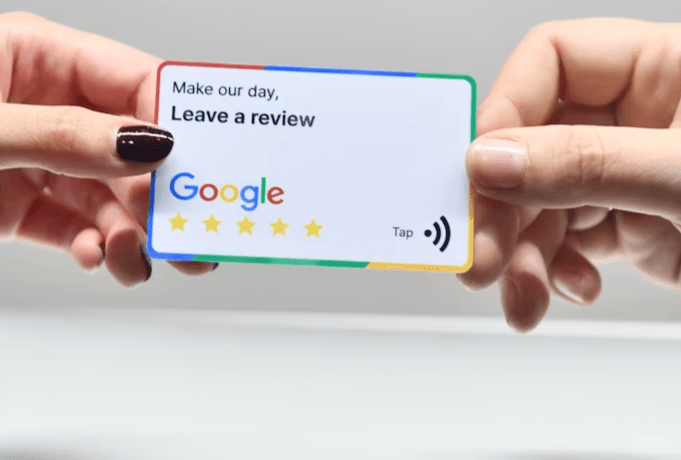
This means review generation needs to be an ongoing process, not a one-off push after a good season. A simple post-stay email or SMS prompt, sent while the experience is still fresh, does most of the work here.
Responding matters as much as receiving
Response rate and response time are both factored into how Google (and guests) assess a listing. A hotel that responds to every review, good or bad, within a day or two signals active management. A hotel with dozens of unanswered reviews, particularly negative ones, signals the opposite.
A few practical points:
- Respond to negative reviews calmly and specifically. Acknowledge the issue, avoid generic copy-paste responses, and take detailed complaints offline where appropriate.
- Don’t ignore the positive ones either. A quick, genuine reply reinforces that someone’s actually reading and engaging, not just checking a box.
- Keep responses on-brand. Your review responses are public copy. They should sound like you, not like a template.
Local Citations and Link Building for Hotels
Citations and links tell Google you’re a legitimate, recognised presence in your area, not just a website claiming to be one.
What counts as a citation
A citation is any online mention of your hotel’s name, address, and phone number, whether or not it links back to your site. Directories, local business listings, and tourism sites all count. The goal isn’t volume for its own sake. It’s consistency and relevance.
Worth prioritising:
- Local tourism board listings. Yorkshire’s, or your region’s, official visitor sites carry genuine local relevance in Google’s eyes.
- Hospitality-specific directories. Sites built specifically for hotel and travel listings tend to carry more weight than generic business directories.
- Local press and blogs. A mention in a regional publication, even without a follow link, adds a relevance signal that generic directories don’t.
Why quality beats quantity here
A handful of hospitality-specific and locally relevant links will do more for your rankings than fifty low-quality directory submissions. Google has become better at recognising link farms and low-value citation sites, and hotels chasing volume over relevance can end up doing more harm than good.
If you’re unsure where to start, a simple local link audit, checking what you already have versus what similar hotels in your area have, is usually more useful than a blanket outreach campaign.
Common Local SEO Mistakes Independent Hotels Make
Most local SEO problems aren’t complicated. They’re neglect, not strategy failures. Here are the ones that show up most often.
Duplicate or abandoned listings
Old GBP listings from a previous owner, a rebrand, or a platform migration often linger online long after they should. Duplicates split your reviews, confuse Google about which listing is authoritative, and actively work against the profile you’re trying to build.
Inconsistent NAP details
Covered earlier, but worth repeating here because it’s the most common issue we see. A mismatched phone number or an old address on even one directory can quietly undermine everything else you’re doing right.
A neglected Google Business Profile
Set up once, never touched again. No new photos, no posts, unanswered questions sitting for months. An inactive profile signals exactly that to Google: inactive.
Treating reviews as a reputation task, not an SEO one
Many hotels manage reviews purely for guest perception and miss that they’re also feeding local rankings. Slow responses and stagnant review counts cost you visibility, not just star rating.
No location-specific content
A generic “About Us” page doing double duty as your local content strategy won’t cut it, especially for multi-property groups. Google needs to see genuinely local, genuinely specific content tied to each location.
None of these are difficult to fix individually. The challenge is usually that they’ve been left unattended for months or years, and untangling them takes a proper audit rather than a quick fix.
If you’re not sure which of these apply to your hotel, that’s exactly what our free SEO audit is for. We’ll show you where you’re losing visibility locally and what to prioritise first.

Ready to Turn Local Search Into Local Bookings?
Getting local SEO right isn’t a one-off fix. It’s Google Business Profile updates, review responses, NAP checks, and citation building, done consistently, month after month. Most hotel teams don’t have the time to stay on top of all of it while running day-to-day hotel operations.
That’s exactly what we do at Arise Hotel Marketing. We work with independent hotels and hospitality brands to get them showing up in the searches that matter, the Map Pack results, the “near me” searches, the moments when someone’s actually ready to book, and turn that visibility into direct bookings instead of another commission paid to an OTA.
If you’re looking to improve your hotel’s local SEO strategy, get in touch with our team of SEO specialists at Arise Hotel Marketing today.

FAQs: Local SEO for Hotels
How do I rank higher for “hotels near me” searches?
Focus on your Google Business Profile first: complete categories, regular photos, accurate hours, and a steady flow of recent reviews. These have the biggest direct impact on Map Pack visibility, more than general website SEO alone.
Does Google Business Profile affect SEO?
Yes, significantly, for local searches specifically. GBP is one of the strongest local ranking signals Google uses, particularly for the Map Pack results that appear above standard organic listings.
How often should a hotel post on Google Business Profile?
Weekly is a reasonable baseline. Regular posts, even simple ones covering offers or seasonal updates, signal an actively managed listing, which Google favours over static or neglected profiles.
Do hotel reviews really affect local search rankings?
Yes. Both the volume and recency of reviews factor into local ranking, and how quickly and thoughtfully you respond to them also plays a role.
What’s the difference between local SEO and general SEO for hotels?
General SEO focuses on overall visibility and website authority. Local SEO focuses specifically on location-based signals, such as GBP, NAP consistency, and local citations, that determine whether you show up for nearby, ready-to-book searches.